Ubud is full of places to practise yoga, meditate, heal, move, breathe and slow down. But every now and then, you come across a place that feels less like a wellness business and more like a community.
School of Unified Healing in Bali is one of those places.
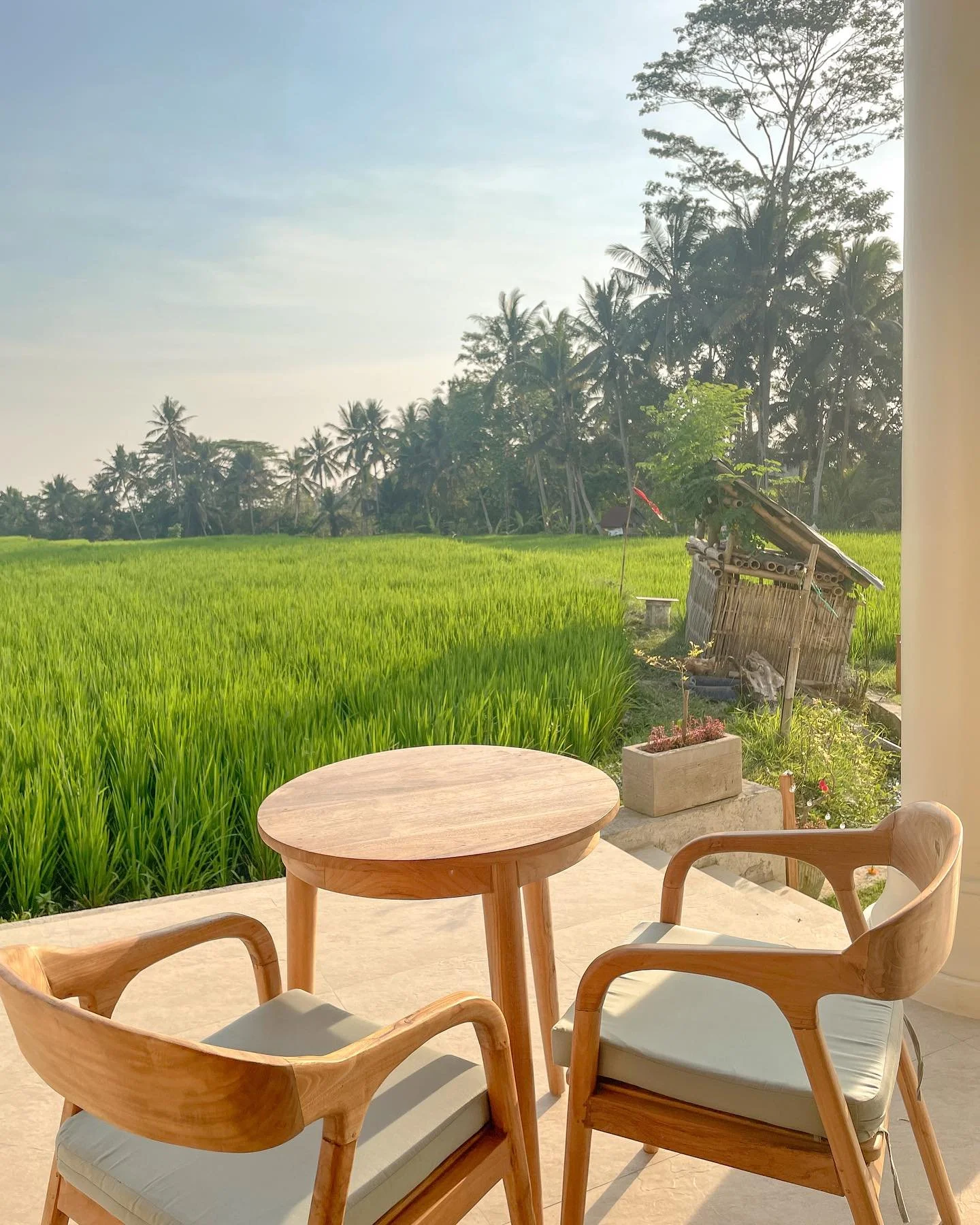
Located among the rice fields of Ubud, the school brings together yoga, meditation, sound healing, energy work, somatic practices and other forms of personal exploration. What makes it particularly interesting is not simply the range of classes, but the philosophy behind them: the school was created to make healing and personal growth more accessible, regardless of someone's financial situation.
With more than 30 teachers volunteering their time and more than 30 classes available each week, it has become a space where people can explore different practices without the price tag usually associated with wellness in Bali.
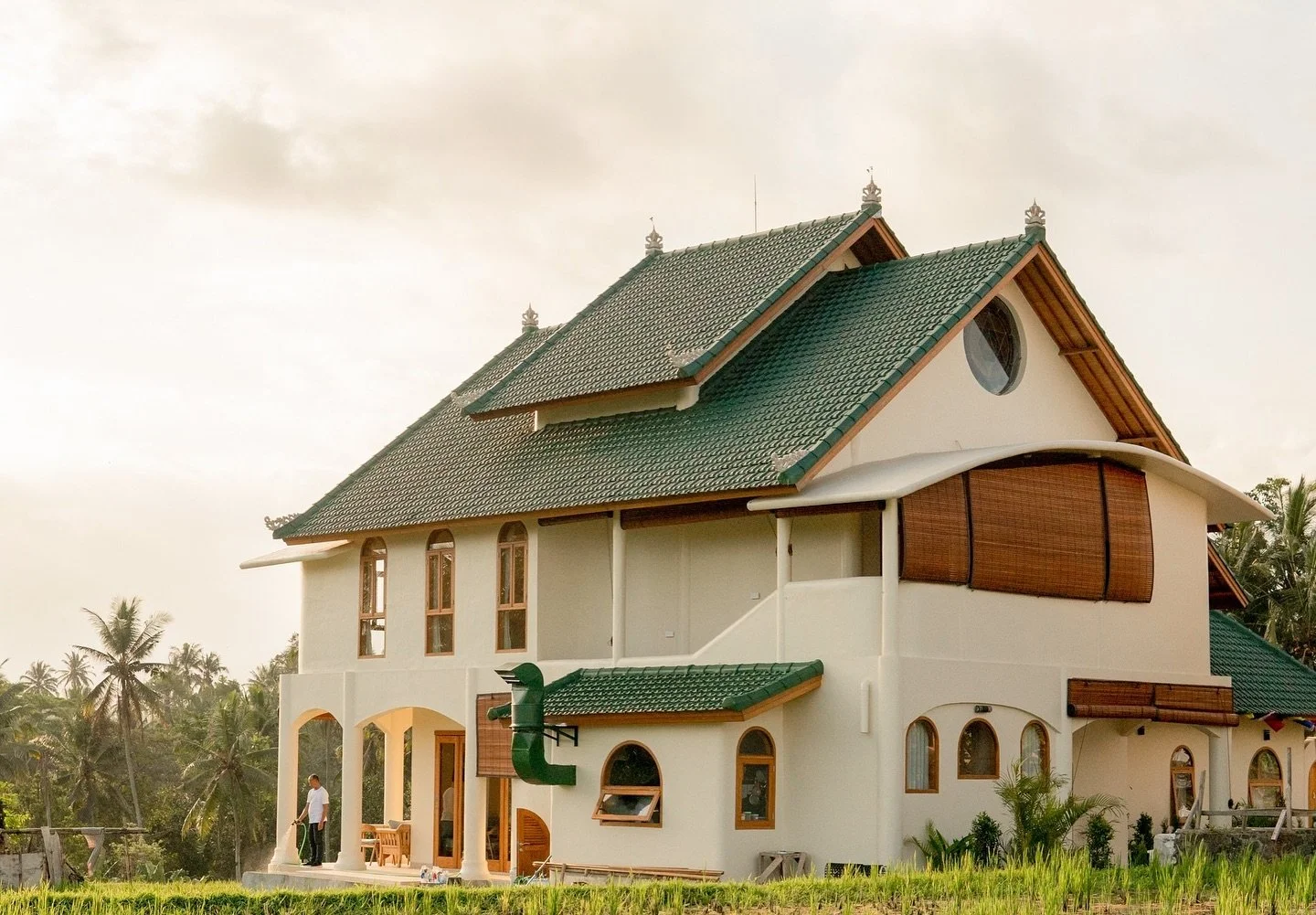
A different kind of wellness space in Ubud
School of Unified Healing describes itself as a community centred around personal growth and healing. Rather than functioning as a traditional yoga studio or private wellness centre, it brings together teachers, practitioners and students in one shared space.
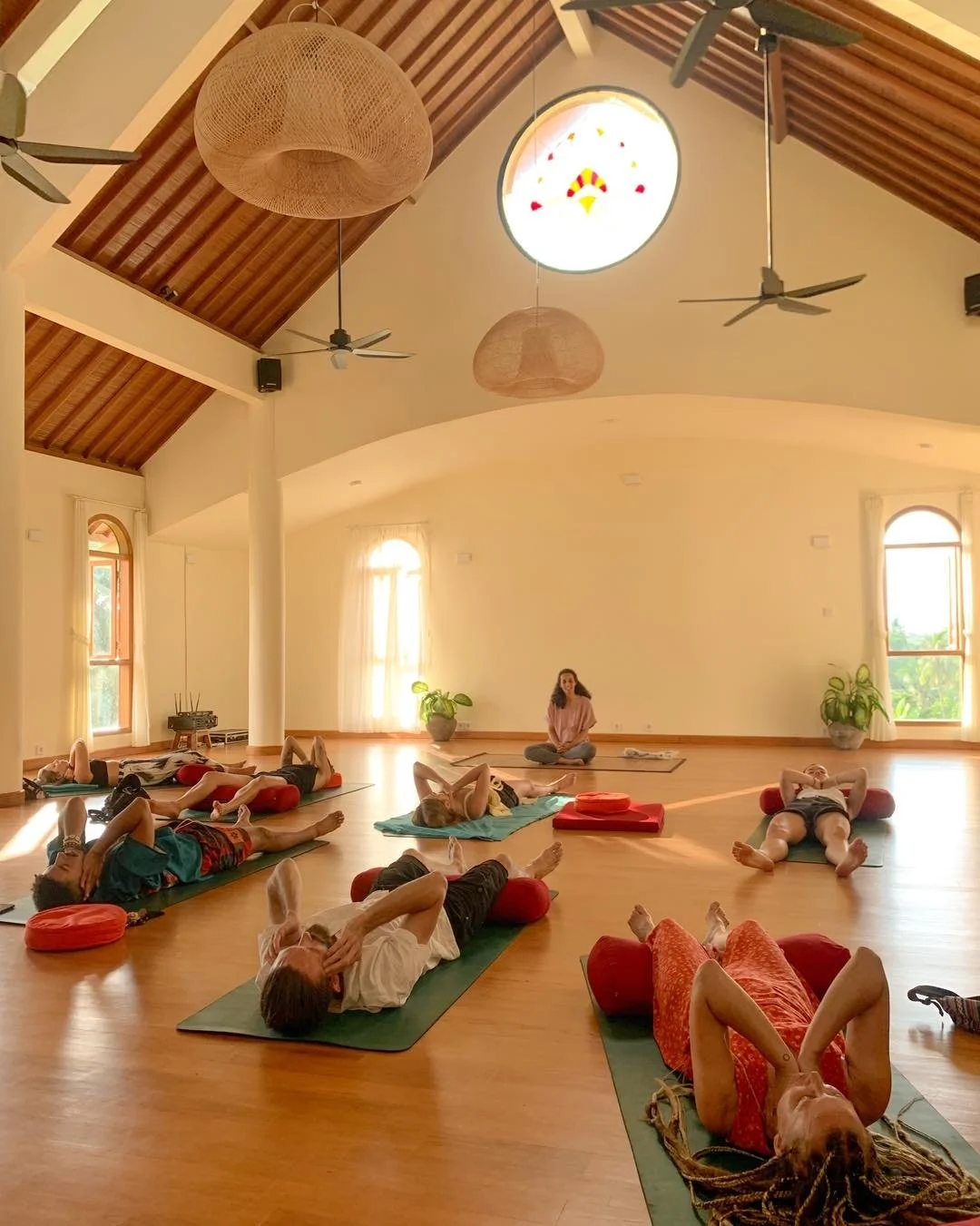
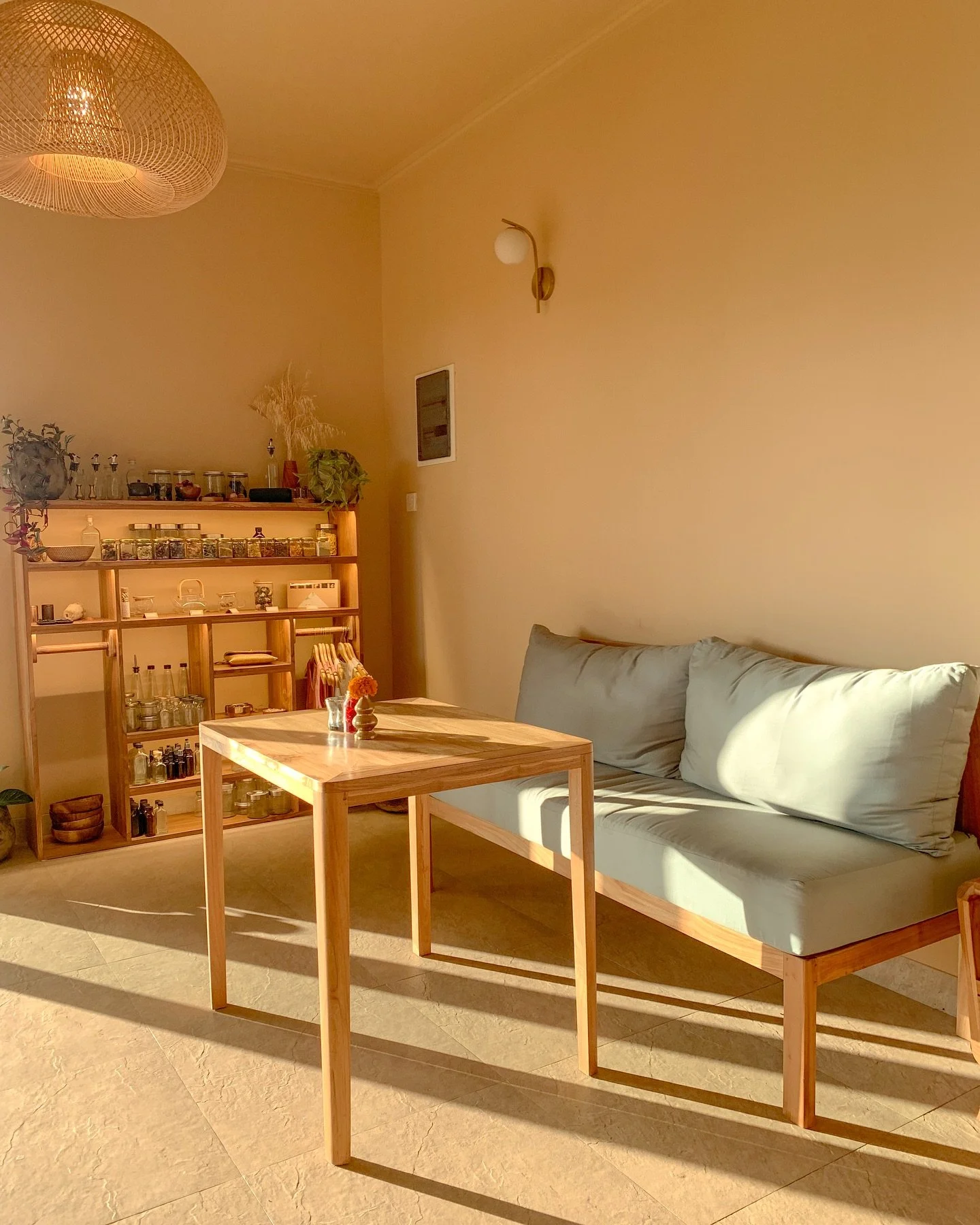
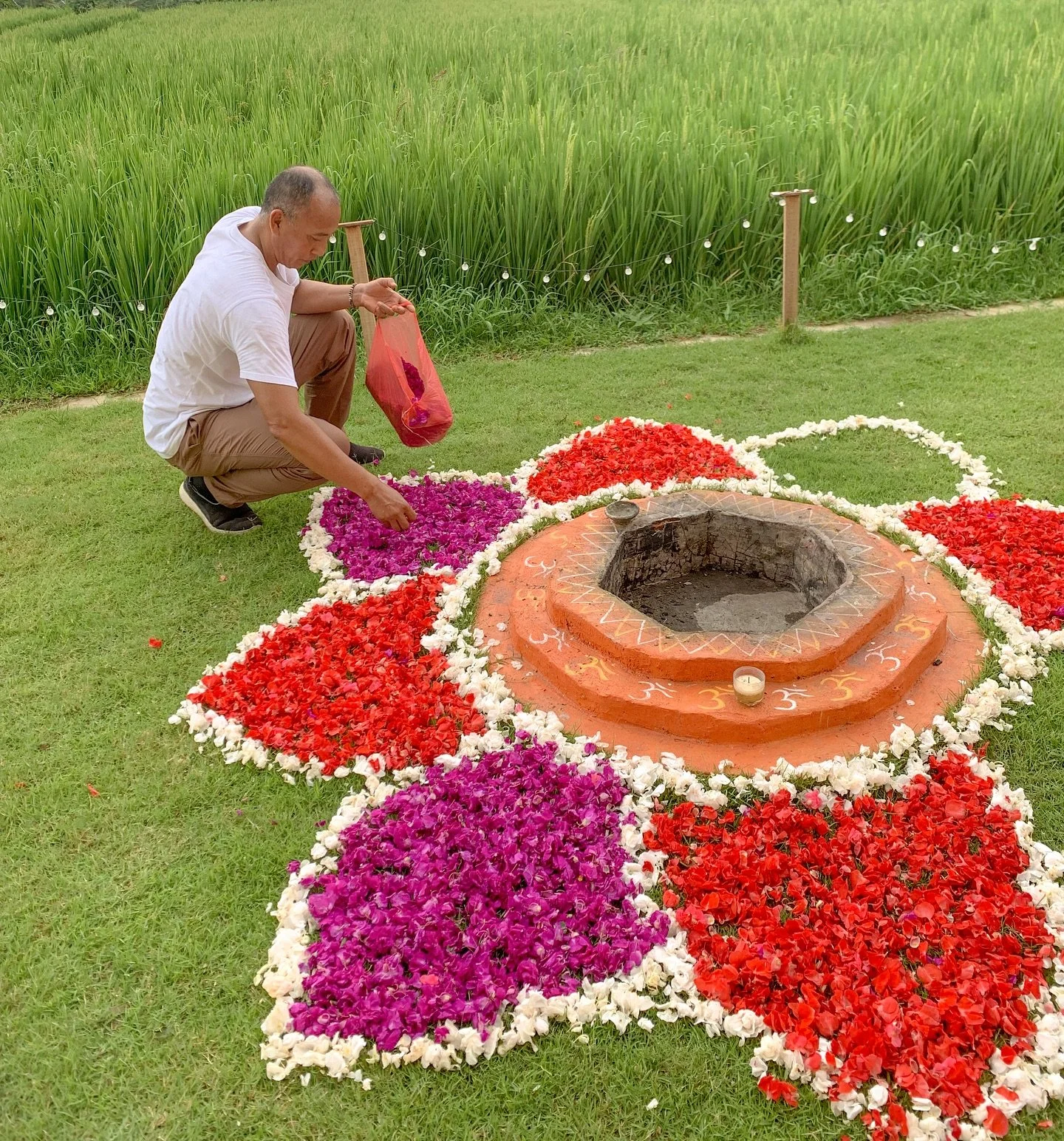
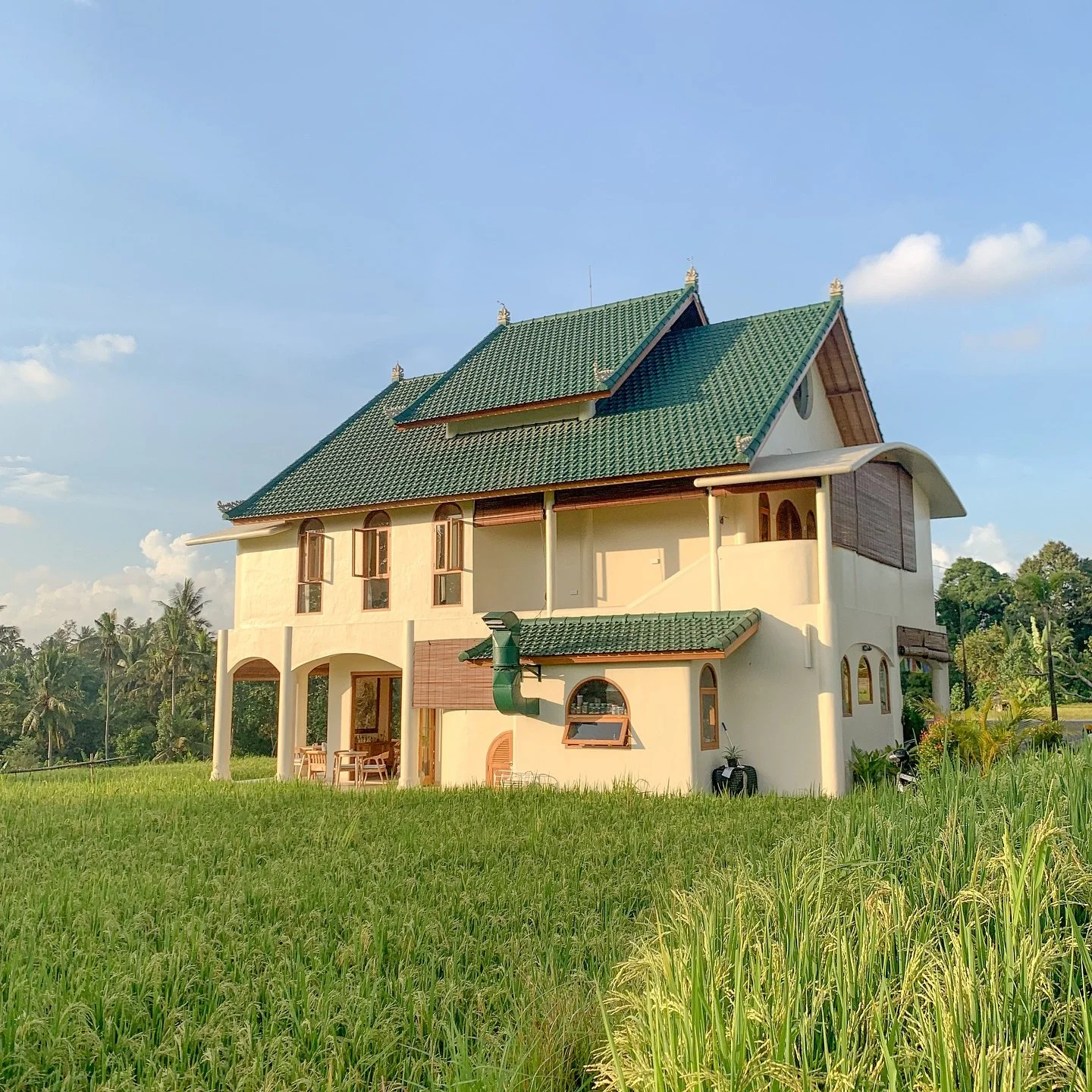
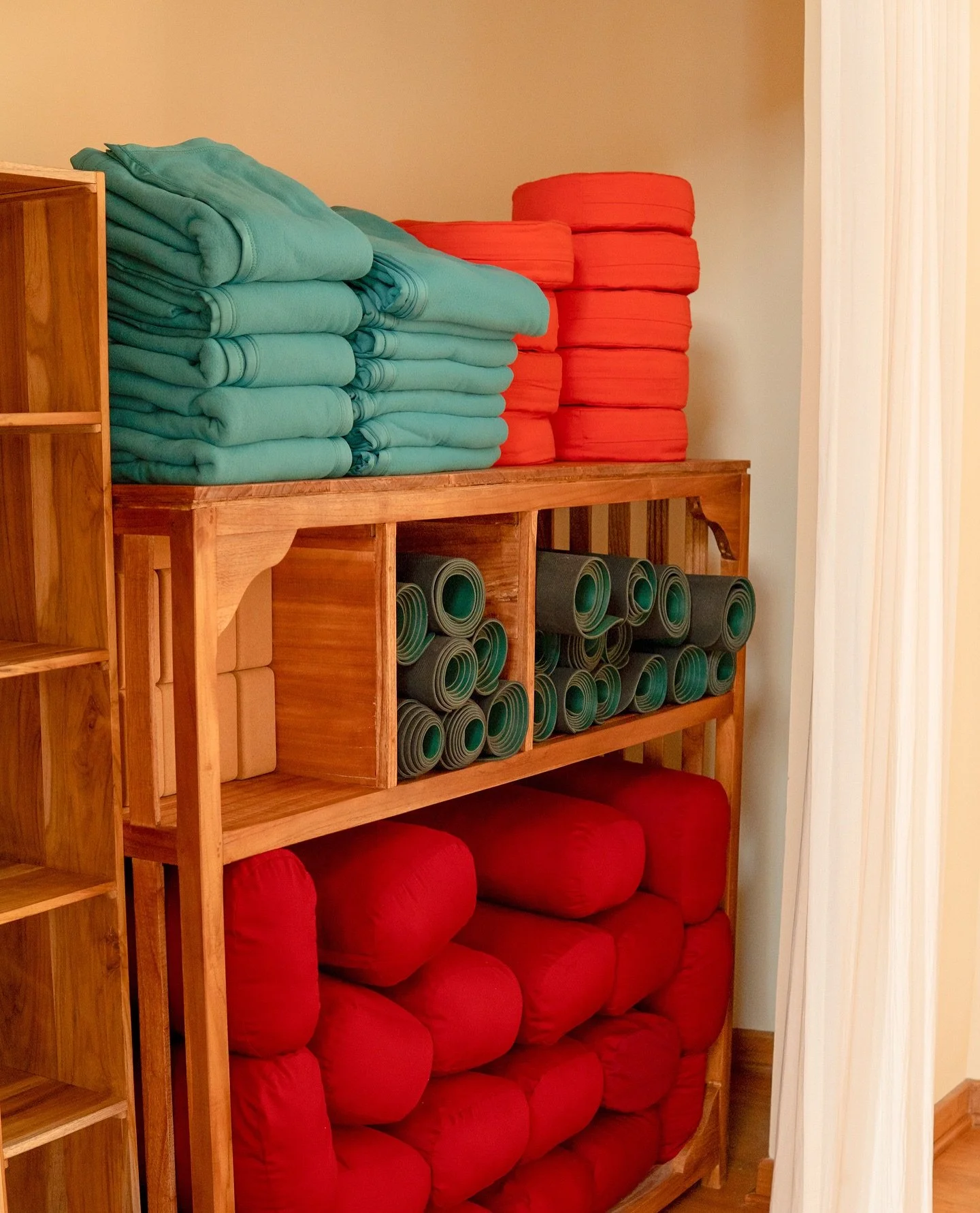
The school sits in the middle of the rice fields, with Anahata Shala as its main space for classes and workshops. There is also a vegetarian and vegan restaurant, a healing shop, a fire circle and other spaces where people can gather.
The idea is simple: create a place where people can come together, learn, practise and explore.
And importantly, where access to these practices isn't determined entirely by how much money you have.
Affordable healing in Bali
Wellness in Ubud can be surprisingly expensive. A yoga class, sound bath, private healing session or workshop can quickly add up, especially for people staying in Bali for longer periods of time.
School of Unified Healing takes a different approach.
New students can start with a complimentary Day Pass. If they decide to continue, there is a small registration fee, after which they can attend more than 30 classes every week without paying tuition per class.
Enrollment options are available for one week, two months or six months, with the proceeds going back into the school's not-for-profit model and community programmes.
For the Balinese community, enrollment is free.
It is this model that makes the school particularly interesting within Ubud's wellness scene. It isn't simply offering a cheaper yoga class. The entire structure of the school is built around making practices for healing and personal development more accessible.
What can you do at School of Unified Healing?
Yoga and meditation are part of the programme, but the schedule goes well beyond the practices you might normally associate with a yoga studio.
Classes and experiences can include:
Yoga
Meditation
Reiki
Sound healing
Somatic practices
Kundalini dance
Breathwork
Voice and movement practices
Energy work
Workshops and deeper immersion classes
The programme changes regularly, so there is always something different to discover.
Some of the more distinctive offerings include Ancestral Healing, Womb Healing, Sound Healing, Sensual Dance and Somatic Shaking — practices that offer a very different experience from a conventional yoga class.
That variety is part of what makes the school interesting. You don't have to arrive knowing exactly what you're looking for. You can simply explore.
Curious to see what's on?
From yoga and meditation to sound healing, Reiki and somatic practices, there is always something different to explore.
The people behind the school
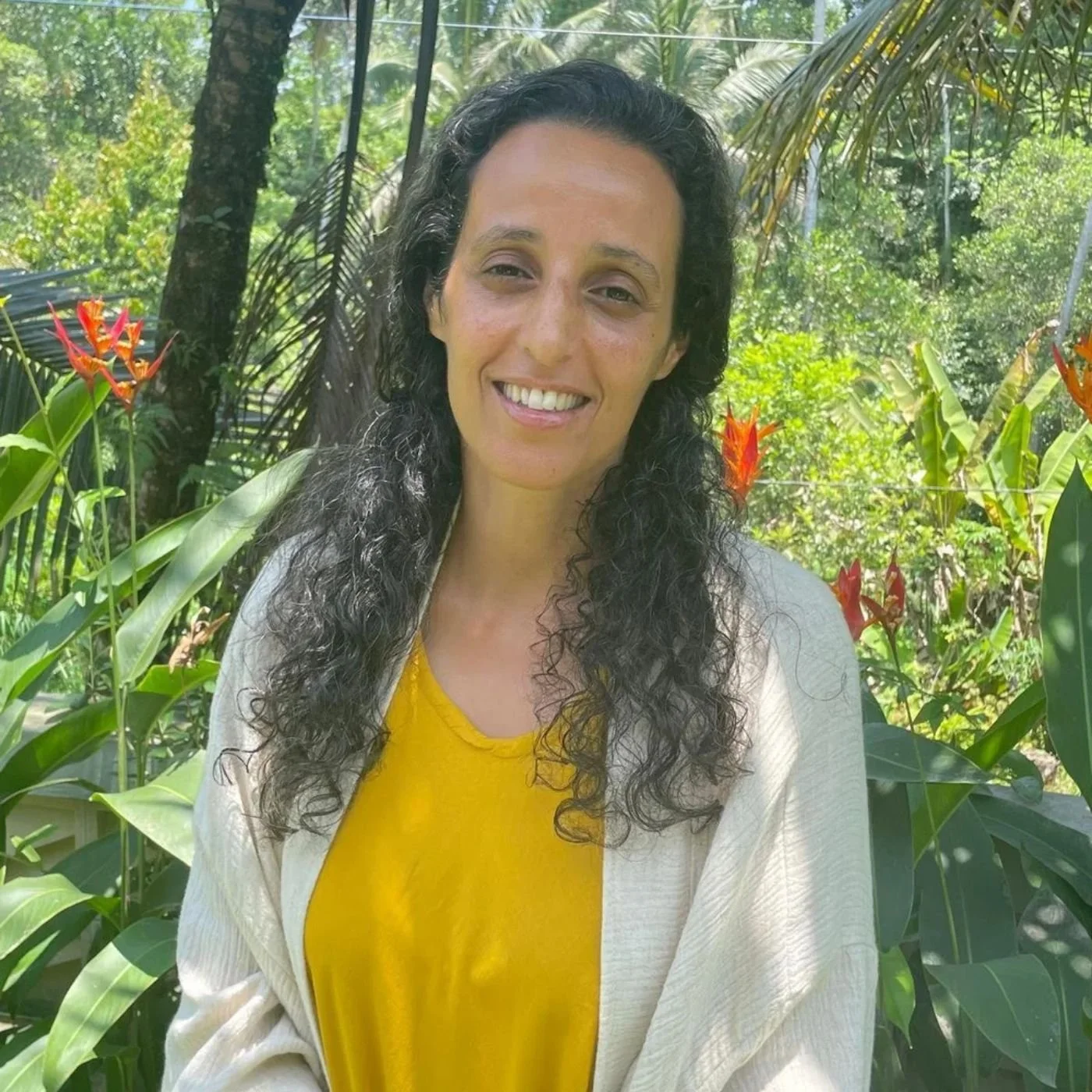
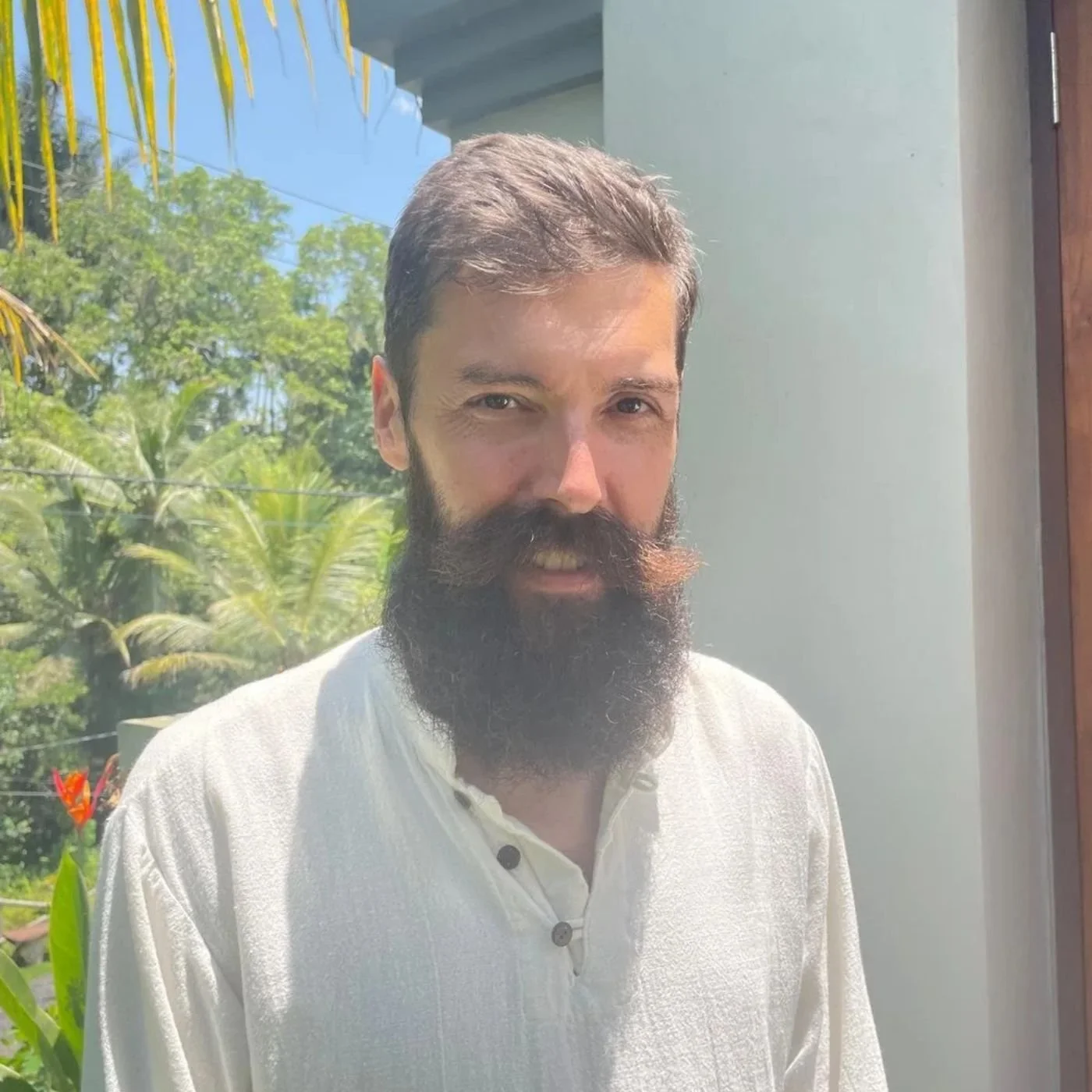
School of Unified Healing was founded by Kefah Bates, Founder and Visionary, together with David Graham, Co-Founder and Visionary.
For Kefah, making healing accessible to everyone is at the heart of the school. After decades as a healer and spiritual teacher, she developed a vision around understanding what holds people back from reaching their potential — and creating spaces where people can explore healing without it being reserved for those who can afford it. Today, she is an author, speaker, teacher and the driving visionary behind the School of Unified Healing.
David Graham has been a guiding force behind many of the school's developments. His work centres around personal growth, collective consciousness and a lifelong search for truth and a deeper understanding of human suffering. As an advocate for self-empowerment, he continues to develop the vision of making education in healing accessible to more people.
Together, their vision has grown into something much bigger than a place to take a yoga class. School of Unified Healing is built around the idea that practices for personal growth and healing should be available to everyone — not only to those who can afford the usual wellness price tag.
More than a yoga studio
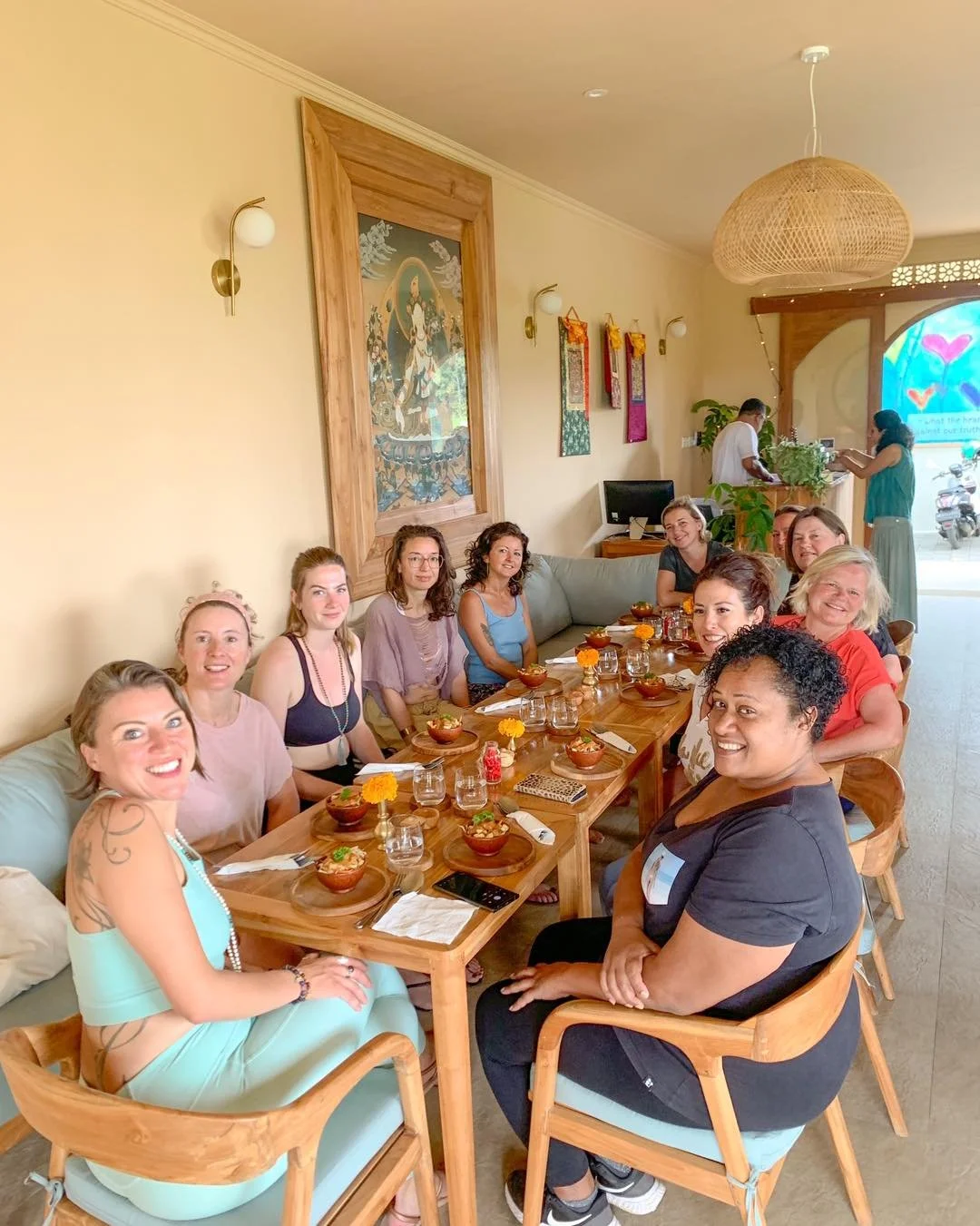
One of the things that stood out to us is the community aspect.
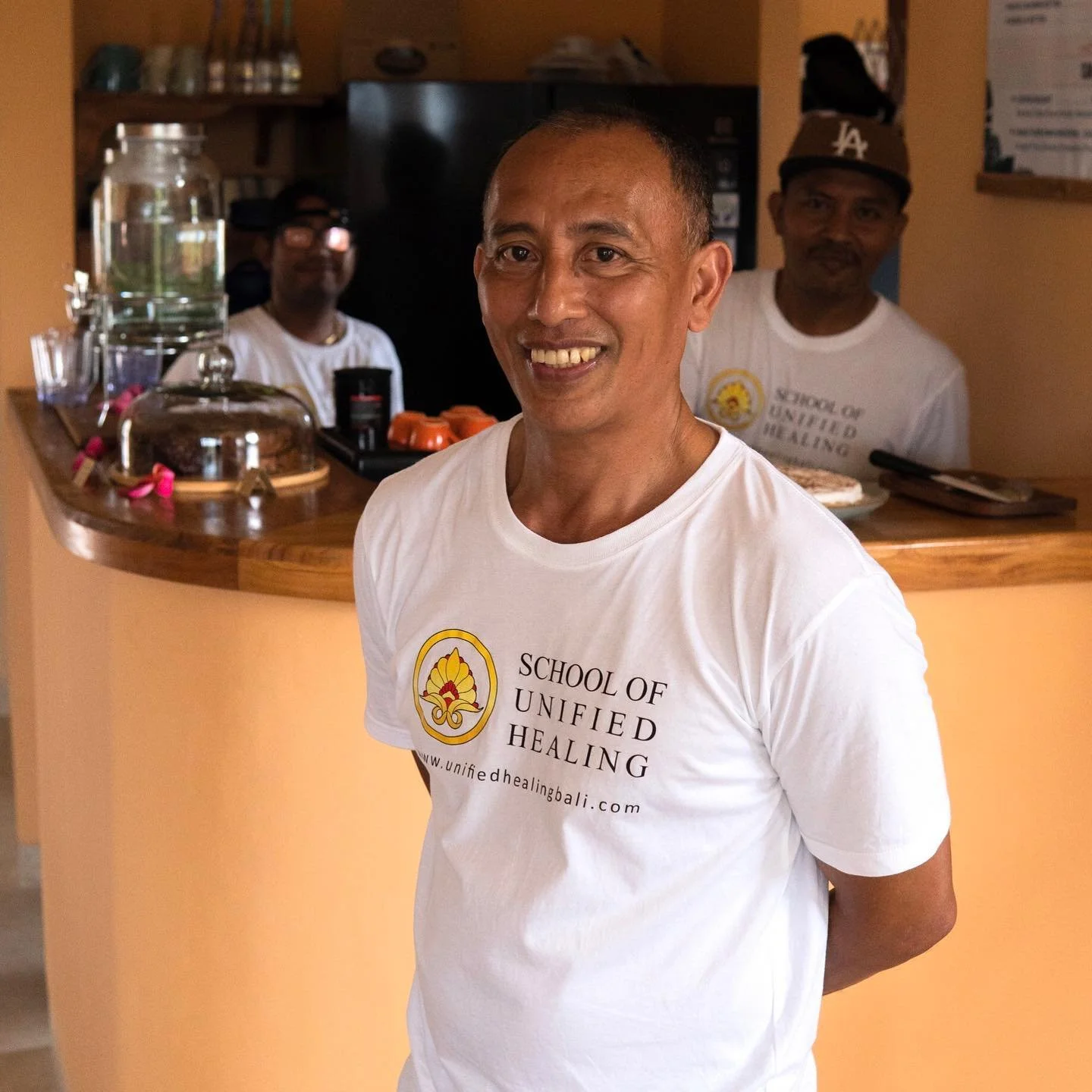
More than 30 teachers volunteer their time at the school each week. The result is a programme that feels less centred around individual teachers or expensive treatments and more around the collective.
The school says that thousands of people have already accessed its healing experiences, including people who would otherwise not have had the financial means to access similar offerings elsewhere.
There is also a wider ecosystem around the school. Its restaurant works with local farmers and offers plant-based food, while the shop supports local artisans and contributes to the school's model.
So while you might arrive for a yoga class, there are plenty of reasons to stay a little longer.
How does the free class model work?
There is a small distinction worth knowing about.
The classes themselves do not require tuition once you are enrolled, but students do need to register with the school. New visitors can first try the school through a complimentary Day Pass.
Current enrollment options include:
1 week: IDR 200,000
2 months: IDR 300,000
6 months: IDR 800,000
Enrollment is free for members of the Balinese community.
The fees help sustain the school's not-for-profit model, with proceeds reinvested into the organisation, community programmes and the development of future schools.
This makes the model quite different from simply offering occasional free classes as a promotion. Accessibility is part of the structure itself.
Take your first step and join the School of Unified Healing. Start with a free Day Pass, or choose the enrollment that works for you.
Enroll at School of Unified Healing →
Why we think School of Unified Healing is worth knowing about
There are countless wellness experiences in Bali. Some are beautiful, some are luxurious, some are deeply personal — and many are wonderful in their own way.
But we are always interested in the places that are trying to do things a little differently. School of Unified Healing is interesting because its starting point isn't luxury or exclusivity. It is accessibility.
It creates a space where someone can walk in and try meditation, yoga, sound healing or another practice without needing to commit to an expensive retreat or private session.
And perhaps most importantly, it creates a place for people to come together. For us, that's what makes it worth knowing about.
Visiting School of Unified Healing in Ubud
School of Unified Healing is located among the rice fields around Ubud and is accessible by scooter or on foot from the main road.
New students are encouraged to arrive at least 30 minutes before their first class to complete registration. Signing in for classes begins 15 minutes before the start time, and the school does not allow entry once a class has been underway for 10 minutes.
Because the class programme changes regularly, it is best to check the current schedule before visiting.
You can also support the school in other ways, including volunteering, teaching, donating, eating at the restaurant or shopping at the healing shop.
Find out how you can support →
A place to keep on your Ubud list
If you're looking for wellness in Ubud, there is certainly no shortage of options.
But if you are looking for something beyond another beautiful yoga studio or expensive retreat, School of Unified Healing is worth putting on your list.
Come for a class. Try something you've never tried before. Sit down for a meal. Meet the people there.
You might leave with a new practice — or simply with the feeling that wellness can look a little different.
School of Unified Healing
Ubud, Bali
Visit School of Unified Healing →
Frequently asked questions
What is School of Unified Healing in Ubud?
School of Unified Healing is a community-based wellness and personal growth space in Ubud, Bali. It offers more than 30 classes each week, including yoga, meditation, sound healing, Reiki and somatic practices.
Is School of Unified Healing free?
The school offers a complimentary Day Pass for new students. After registering, students can attend more than 30 weekly classes without paying additional class tuition. A registration fee applies, with different options depending on the length of enrollment.
What kind of classes are offered at School of Unified Healing?
The programme includes yoga, meditation, Reiki, sound healing, somatic practices, movement, dance, voice practices and various workshops. The schedule changes regularly.
Where is School of Unified Healing located?
The school is located among the rice fields around Ubud, Bali, within walking distance of the main road and accessible by scooter.
Who founded School of Unified Healing?
School of Unified Healing was founded by Kefah Bates, Founder and Visionary, together with David Graham, Co-Founder and Visionary.
Is School of Unified Healing a nonprofit?
The school operates as a not-for-profit organisation. Its model is designed to reinvest proceeds into the organisation, community programmes and the development of future schools, with the wider aim of making healing and personal growth more accessible.